Many pet owners aren’t aware of how essential veterinary labs are to their animal’s health journey.
In this article, we’ll explore what veterinary labs do, what services they offer, how to find one near you, and why choosing the right lab matters.
Whether you’re a pet parent searching for a “veterinary lab near me” or a veterinary professional looking for top-tier lab partners, this guide will provide expert insights and practical tips.
What Is a Veterinary Laboratory?
A veterinary laboratory is a specialized facility where biological samples from animals—such as blood, urine, feces, or tissue—are analyzed to detect diseases, monitor health, and guide treatment plans.
Some focus on general diagnostic testing for common pets like dogs and cats, while others handle specialized species, such as exotic animals, horses, or livestock.
Regardless of size or setup, these labs play an essential role in helping veterinarians diagnose conditions early, tailor treatments, and monitor recovery effectively.
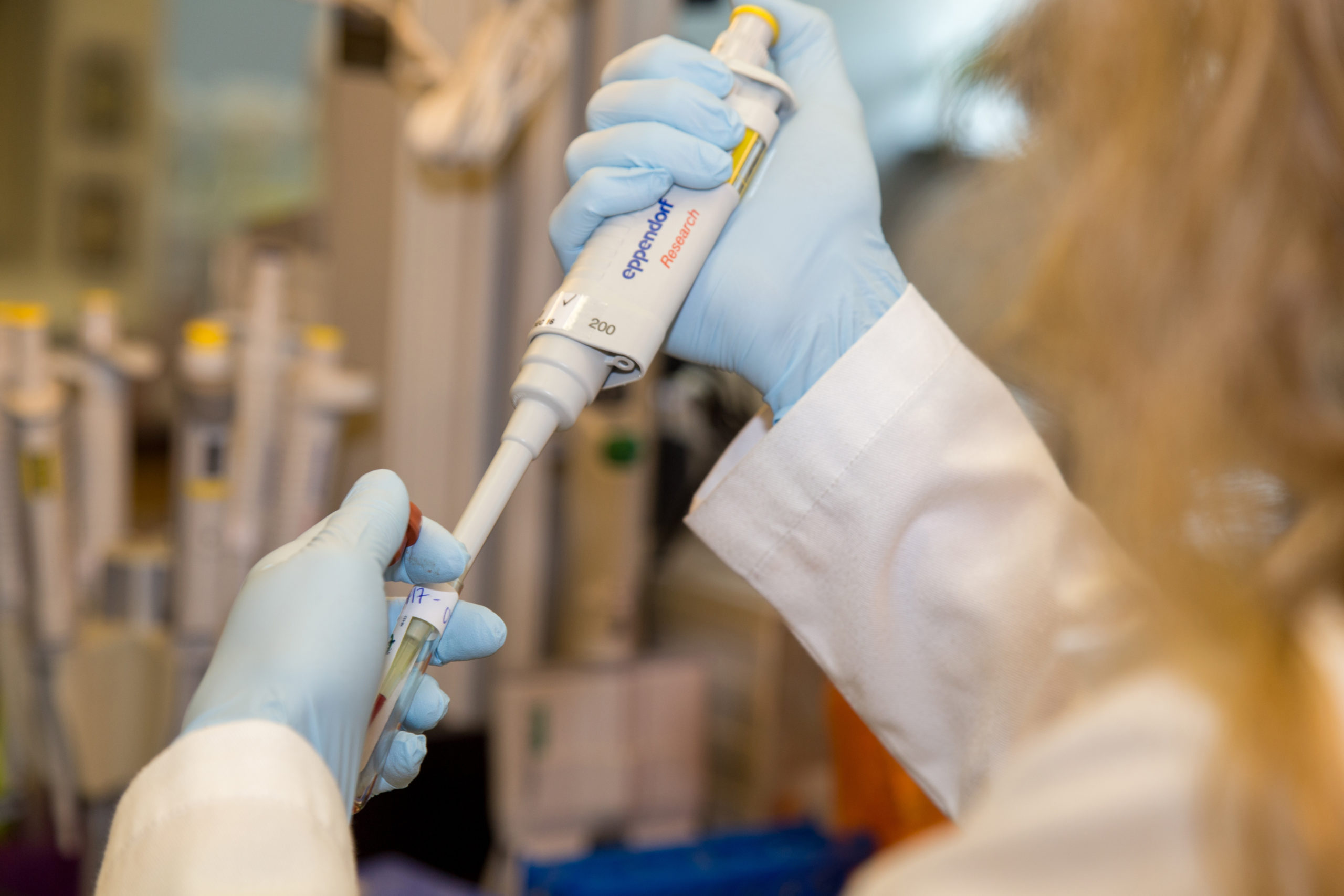
Understanding Veterinary Lab Diagnostics
Routine blood tests, such as complete blood counts (CBC) and blood chemistry panels, provide insights into organ function, immune response, and general wellness.
For more specialized diagnostics, veterinary labs offer cytology (examining cells under a microscope), biopsies, hormone level testing (such as thyroid or cortisol), and infectious disease panels.
These tests are essential for early disease detection, accurate diagnosis, and treatment planning.
Locating a Veterinary Laboratory in Your Area
Searching for a “veterinary lab near me” can feel overwhelming, but a few strategies can simplify the process.
Online directories and veterinary associations can help locate accredited labs in your area.
If you’re a pet owner seeking direct access to a lab for second opinions or advanced testing, contact the lab to understand their intake process—some require referrals, while others accept samples directly.

Standard vs. Emergency Veterinary Laboratories
Standard labs typically process routine tests during business hours, while 24-hour veterinary labs offer emergency diagnostic services around the clock.
If your pet is facing a life-threatening condition—such as sudden collapse, poisoning, or acute trauma—a 24-hour lab can deliver rapid results needed for immediate treatment.
For non-urgent screenings, wellness panels, or follow-up testing, standard labs are usually sufficient.
How Diagnostic Labs Protect Animal Health
While physical exams provide valuable insights, they can’t reveal everything—lab tests uncover hidden conditions, confirm clinical suspicions, and track progress over time.
For preventive care, routine lab work helps catch issues before symptoms appear.
This partnership between lab, vet, and pet owner is what keeps animals healthy and thriving.
Conclusion: Choosing the Right Veterinary Lab for Your Pet
In leia mais today’s saiba aqui world, ensuring your pet receives top-quality care means partnering with the right veterinary laboratory.
The combination of expert veterinary care and reliable diagnostics is what keeps pets healthier, longer.
As veterinary medicine continues to evolve, so do the diagnostic tools available to monitor and protect your pet’s health.
Your Veterinary Lab Questions Answered
What is a veterinary diagnostic lab?
A veterinary diagnostic lab analyzes samples from animals (like blood, urine, or tissue) to detect diseases, monitor health, and guide treatment plans.
Where can I get my pet tested locally?
You can also search online directories or check with veterinary associations to find accredited labs in your area.
When should I use a 24-hour veterinary lab?
Always consult your emergency vet to determine the best course of action.
What can veterinary lab tests detect?
These tests help detect infections, organ issues, cancers, and metabolic diseases.
How much do veterinary lab tests cost?
Your veterinarian can provide estimates and help prioritize necessary diagnostics.